

When it comes to the ingredients in our beauty products, there is an ongoing debate about whether natural or synthetic ingredients are superior. Proponents of natural beauty products argue they are safer and healthier for the skin, while those who favor synthetics claim they are more effective and less likely to cause skin sensitivities. As consumers become more ingredient-savvy, understanding the differences between natural and synthetic ingredients is key to making informed choices about what we put on our skin. This article will take a detailed look at the pros and cons of natural versus synthetic ingredients in beauty formulations.
What are Natural Ingredients? Natural ingredients are ingredients derived from plants, minerals, and other natural sources without any synthetic compounds. Common examples include:
- Plant oils and butters like coconut oil, argan oil, shea butter
- Essential oils like lavender, tea tree, lemon
- Botanical extracts like aloe vera, green tea, chamomile
- Clays, salts and muds for masks and exfoliation
- Natural waxes like beeswax and carnauba wax
- Naturally derived acids like citric acid and lactic acid
Many beauty brands are now focusing on using natural, organic, and wild-crafted ingredients in their formulations. The “natural beauty” trend has gained traction as more consumers seek out products they perceive as pure, eco-friendly, and healthy for their skin and body.
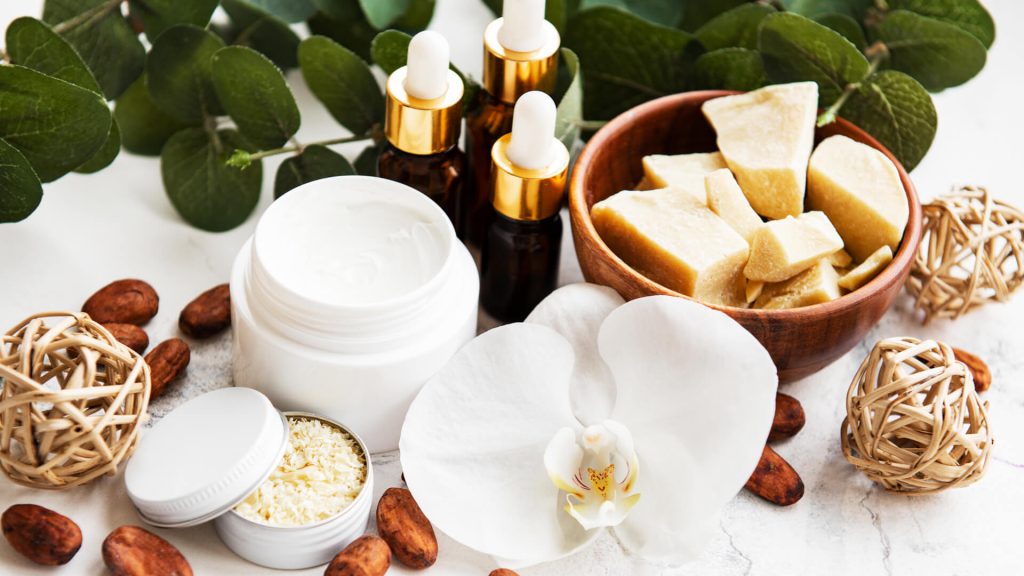
Pros of Natural Ingredients:
- Lower risk of irritation – Natural ingredients tend to be gentler and less sensitizing than their synthetic counterparts. For those with sensitive skin, natural formulas with minimal ingredients may be less likely to cause reactions.
- Environmental benefits – Natural, organically farmed ingredients are renewable, biodegradable, and have less impact on the environment than petroleum-derived synthetics. Many natural brands also employ eco-friendly packaging.
- Nutritional benefits – Plant-based ingredients like oils and botanical extracts can provide skin-nourishing vitamins, minerals, fatty acids and antioxidants. Using them topically allows the skin to absorb their beneficial nutrients.
- No harmful synthetics – Natural formulas avoid potentially concerning synthetic ingredients like parabens, phthalates, SLS, formaldehyde and artificial fragrances/dyes that have been linked to health issues.
Cons of Natural Ingredients:
- Shorter shelf life – Without synthetic preservatives, natural products tend to have a shorter shelf life and require special handling/storage to prevent bacterial growth and rancidity.
- Less potency and stability – Natural ingredients can be less stable and potent than their synthetic counterparts. Active levels may degrade more quickly, especially when exposed to air, light and moisture.
- Higher cost – High-quality, organic, and wild-crafted natural ingredients tend to be more expensive than synthetic ingredients, leading to higher price points for natural products.
- Potential for irritation and allergies – Even though they are natural, some botanical ingredients can still cause skin sensitivities and allergies in certain individuals. Essential oils, fragrances, and nut oils are common culprits.
What are Synthetic Ingredients? Synthetic ingredients are chemical compounds that are artificially manufactured in a lab rather than being derived from natural sources. Common synthetic ingredients used in cosmetics include:
- Preservatives like parabens, phenoxyethanol, and formaldehyde-releasers
- Emollients like silicones, mineral oil, and petrolatum
- Surfactants and emulsifiers like SLS, ceteareth-20, and polyethylene glycol
- Active ingredients like retinol, vitamin C (ascorbic acid), salicylic acid
- Thickeners like carbomer and xanthan gum
- UV filters like avobenzone and octinoxate
Synthetic ingredients are ubiquitous in cosmetics and skincare products, even in many products marketed as “natural.” Most beauty products on the market contain at least some synthetic components.
Pros of Synthetic Ingredients:
- Stability and consistency – Synthetic ingredients tend to be more chemically stable, maintain potency, and provide more consistent results than natural ingredients. They make formulations more robust.
- Targeted effectiveness – Synthetic actives like retinol, peptides, and vitamin C derivatives are carefully designed in a lab to target specific skin concerns and receptors for optimal efficacy.
- Lower cost – Synthetic ingredients are generally less expensive than natural ingredients, making products more affordable and accessible for mass-market consumers.
- Longer shelf life – Synthetic preservative systems help prevent microbial growth and extend the shelf life of products, meaning less waste from expired products.
- Hypoallergenic options – Synthetic ingredients are less likely to cause allergic reactions compared to fragrant plant extracts and essential oils. Many synthetic products are formulated to be non-irritating.
Cons of Synthetic Ingredients:
- Potentially harmful effects – Some studies have raised concerns about the long-term safety of certain synthetics like parabens, phthalates, and formaldehyde-releasers, linking them to hormone disruption and health problems.
- Skin irritation – Harsh synthetic surfactants, preservatives, and fragrances can strip the skin’s moisture barrier and cause sensitivity and irritation, especially for those with reactive skin.
- Lack of nutritional benefits – Synthetic ingredients are designed for functional purposes and typically do not offer the same phytonutrient benefits for the skin as natural botanicals.
- Environmental impact – Synthetic ingredients are often petroleum-derived and can have a larger carbon footprint. They may also be more harmful to marine ecosystems when washed down the drain.
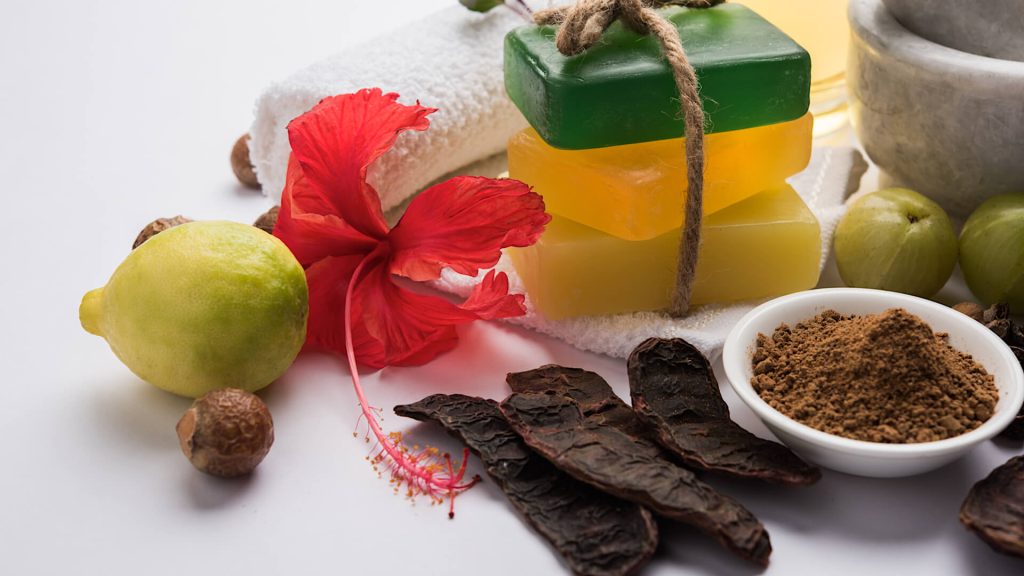
Ultimately, both natural and synthetic ingredients have their benefits and drawbacks when it comes to beauty formulations. Natural ingredients offer potential nutritional benefits, environmental friendliness, and gentleness for sensitive skin. However, they can be less stable, cause allergies for some, and have a shorter shelf life. Synthetic ingredients provide more targeted effectiveness, consistency, affordability and longer shelf life, but have raised some health and environmental concerns.
The choice between natural and synthetic ingredients is a personal one that depends on your own skin needs, sensitivities, budget, and values as a consumer. Many beauty experts recommend products that contain a combination of proven natural and synthetic ingredients for the ideal marriage of safety and efficacy. The most important thing is to choose high-quality, evidence-based products that are appropriate for your individual skin type and concerns. Patch-testing new products, reading ingredient labels carefully, and consulting with a dermatologist can help you find the best ingredients for your skin, whether natural or synthetic. Being an educated consumer is key to cutting through the “natural vs. synthetic” noise and making empowered decisions about your beauty routine.





Choosing the Right Contract Manufacturer for Your Brand
The Ultimate Guide to Organic Skincare Formulations