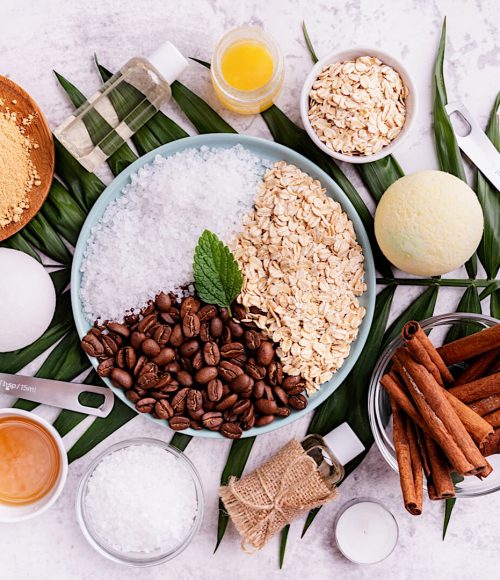

The organic skincare market is rapidly growing as more consumers seek out natural and eco-friendly products for their beauty routines. Formulating organic skincare products offers many benefits but also comes with its own set of challenges. In this ultimate guide, we’ll dive into what it takes to create effective organic skincare formulations, from ingredient sourcing to certification processes.
Benefits of Organic Skincare Formulations
1. Gentle and Non-Irritating
One of the biggest advantages of organic skincare is that it tends to be gentler and less irritating on the skin compared to conventional products. Organic ingredients are minimally processed and free from harsh chemicals, synthetic fragrances, and artificial colors that can aggravate sensitive skin. This makes organic formulations especially beneficial for those with skin conditions like eczema, rosacea, or acne.
2. Nutrient-Rich Ingredients
Organically grown botanicals are often richer in beneficial nutrients like vitamins, minerals, and antioxidants compared to their conventionally grown counterparts. This is because organic farming practices promote healthier soil, which in turn yields more nutrient-dense plants. When these potent organic extracts are used in skincare formulations, they can help nourish, protect, and revitalize the skin.
3. Environmentally Friendly
Choosing organic skincare supports sustainable and eco-friendly practices. Organic farming methods avoid the use of synthetic pesticides and fertilizers that can harm wildlife, contaminate water sources, and degrade soil health. By formulating with organic ingredients, you’re not only benefiting your skin but also supporting a more sustainable future for the planet.
4. Transparency and Trust
Consumers are increasingly seeking transparency in the products they use, and organic certifications provide a level of trust and accountability. When a skincare product is certified organic, it means that it has met strict standards for ingredient sourcing, processing, and manufacturing. This gives consumers peace of mind knowing exactly what they’re putting on their skin.

Challenges of Organic Skincare Formulations
1. Ingredient Sourcing
One of the biggest challenges in creating organic skincare is sourcing high-quality organic ingredients. Not all ingredients are available in organic form, and those that are can be more expensive and harder to find. Formulators need to build relationships with reliable organic suppliers and be prepared to invest more time and resources into ingredient procurement.
2. Formulation Limitations
Organic skincare formulations often have to work within a more limited ingredient palette compared to conventional products. Many commonly used synthetic preservatives, emulsifiers, and active ingredients are not permitted in organic formulations. This means that formulators need to get creative and rely more heavily on natural ingredients to achieve desired textures, shelf stability, and efficacy.
3. Certification Processes
Getting a skincare product officially certified as organic can be a complex and costly process. Different countries and regions have their own organic certification standards, each with its own set of requirements and fees. Formulators need to carefully study the standards relevant to their target market and ensure that every aspect of their product, from ingredient sourcing to manufacturing and packaging, complies with those standards.
4. Shorter Shelf Life
Because organic skincare products use fewer synthetic preservatives, they may have a shorter shelf life compared to conventional products. Natural preservatives like antioxidants and essential oils can help extend shelf life, but organic products still typically need to be used up more quickly. This can be a challenge for both formulators and consumers who are used to the longer shelf lives of conventional products.
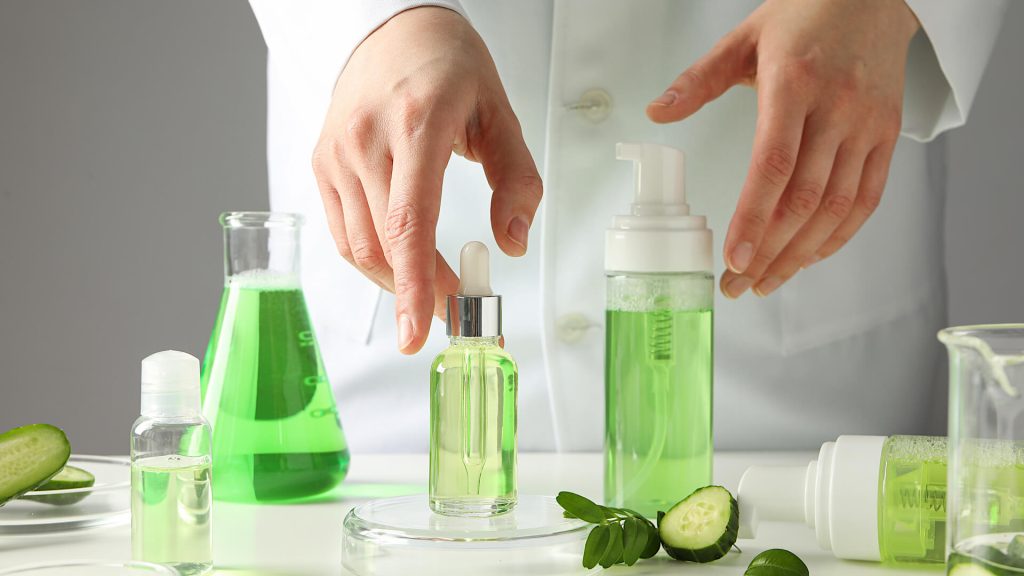
Key Considerations in Organic Skincare Formulations
1. Ingredient Selection
When formulating organic skincare, ingredient selection is critical. Look for high-quality organic ingredients that are minimally processed and free from contaminants. Consider the therapeutic properties of each ingredient and how they will work together synergistically in the final formulation. Don’t forget about functional ingredients like emulsifiers, preservatives, and pH adjusters that are necessary for product stability and safety.
2. Preservation Strategies
Preserving organic skincare formulations can be tricky without the use of synthetic preservatives. However, there are natural preservation strategies that can help extend shelf life:
- Using antioxidants like vitamin E or rosemary extract to prevent oxidation
- Incorporating essential oils with antimicrobial properties
- Packaging products in airless or UV-protective containers
- Formulating products with a lower water content or water activity
- Instructing consumers to store products in cool, dark places
3. Sensory Experience
Just because a product is organic doesn’t mean it has to sacrifice on sensory experience. Consumers still want skincare products that feel luxurious and pleasant to use. Pay attention to texture, scent, color, and overall aesthetics when formulating organic skincare. Natural ingredients like organic butters, oils, and extracts can help create rich, indulgent textures while essential oils or organic fragrances can provide a pleasing natural scent.
4. Efficacy Testing
Efficacy testing is important for any skincare product, but it’s especially critical for organic formulations. Because organic skincare often works with a more limited ingredient palette, it’s crucial to ensure that the final product still delivers on its promised benefits. Conduct stability testing to ensure the product maintains its integrity over time, and consider clinical testing to validate any skincare claims.
Final Thoughts
Creating organic skincare formulations can be both rewarding and challenging. By understanding the benefits, navigating the challenges, and keeping key considerations in mind, formulators can create organic skincare products that are effective, sustainable, and a joy to use. As the demand for organic beauty continues to grow, there’s never been a better time to dive into the world of organic skincare formulation.



Choosing the Right Contract Manufacturer for Your Brand
The Ultimate Guide to Organic Skincare Formulations